
8:15 AM Moving a Refrigerator: How to Prepare It for Transport |
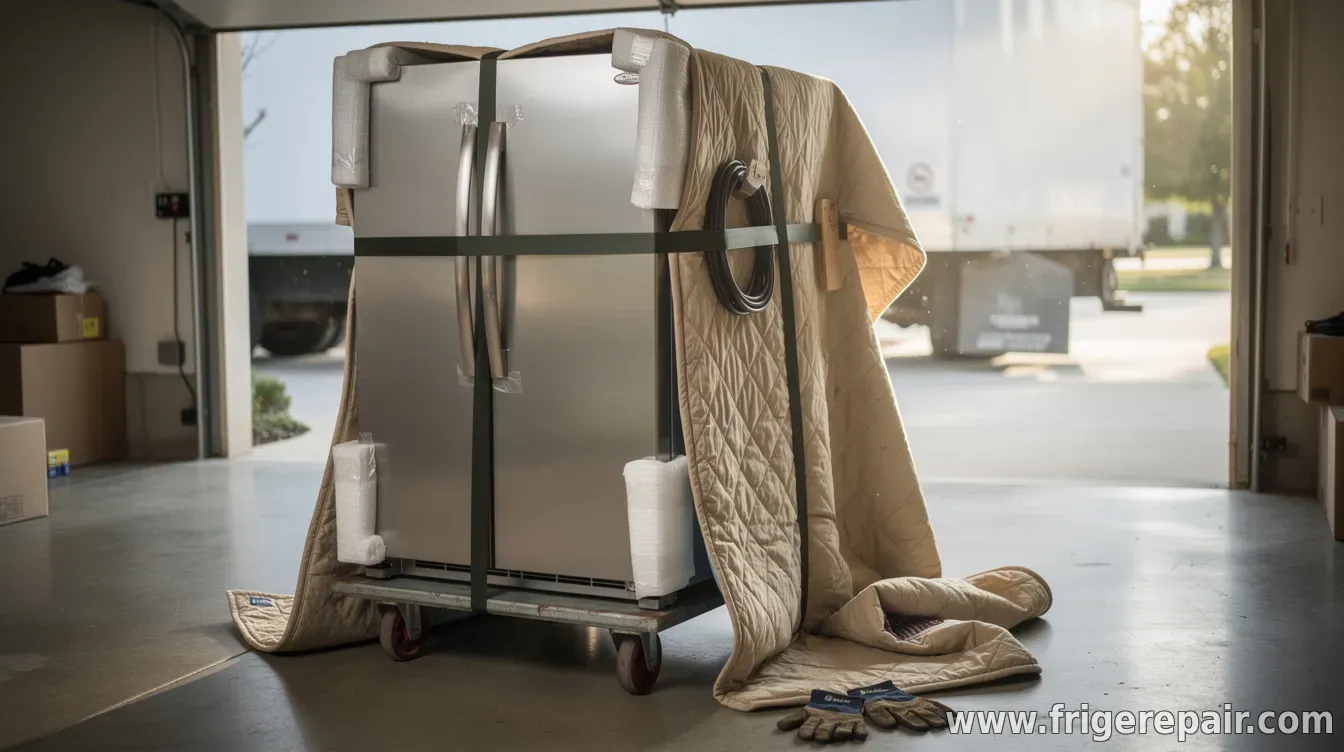 Transporting a refrigerator safely is crucial to protect the appliance and avoid performance issues after the move. Because refrigerators contain sensitive sealed systems and heavy components, preparation should start well before moving day. Below is a practical checklist to get your refrigerator ready for transport—whether you’re relocating across town or loading it into a moving truck. 1) Plan the move and measure key spaces Before you begin, confirm the refrigerator’s dimensions and compare them with doorways, hallways, stairwells, and elevator sizes. Plan the safest path to the truck and clear the route of obstacles. If the appliance must be carried down stairs, arrange appropriate helpers and equipment (like a dolly rated for heavy loads). 2) Power down and empty the interior Unplug the refrigerator and remove all food and removable items. Take out drawers, shelves, and any bins you can remove easily. Place items carefully in bins or coolers and keep track of small parts. 3) Defrost and dry completely To reduce mess and prevent lingering odors, defrost the unit if it has ice buildup. Leave the doors open for ventilation and allow the interior to dry thoroughly. Wipe down surfaces, then let the refrigerator air-dry so moisture doesn’t turn into odor or mildew during transit. 4) Secure doors, shelves, and cords Use packing tape or appliance straps to keep doors closed during the move. Secure shelves and drawers (or remove and pack them separately) so they don’t rattle or crack. Coil the power cord and fasten it to the side of the refrigerator with a strap or tape. 5) Protect the exterior and use the right moving position Wrap the refrigerator with moving blankets or protective padding, and consider stretch wrap to help keep coverings in place. When loading and unloading, keep control to prevent the unit from tipping. If your refrigerator must be tilted, do so carefully and only as necessary—check the manufacturer’s guidance, because recommendations vary by model. 6) Load safely and minimize downtime Keep the refrigerator upright as much as possible during transport. Secure it inside the truck so it doesn’t shift. If your move takes longer than expected, recheck that the unit remains stable and protected from impacts. 7) Wait before powering it back on After delivery, let the refrigerator sit before plugging it in. This is especially important if the appliance was tilted or turned during the move. Follow the manufacturer’s instructions, but many recommend waiting at least several hours to allow fluids to settle properly and reduce the risk of compressor strain. 8) Turn on and monitor performance Once powered, give the refrigerator time to reach the correct temperature and check for unusual sounds, lights, or error indicators. Reinstall shelves and drawers after the interior is dry and stable, then return food only after temperatures are within the recommended range. With careful planning—defrosting, securing parts, protecting the exterior, and following the manufacturer’s guidance on positioning and restart time—you can reduce damage risk and help the refrigerator perform normally after the move. |
|
|
Next & Previous posts