3:18 AM Side-by-Side vs. French Door Refrigerators: Repair Differences |
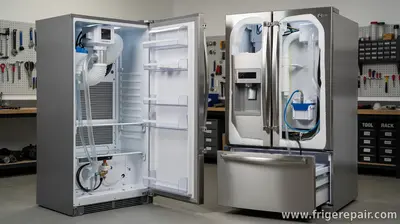
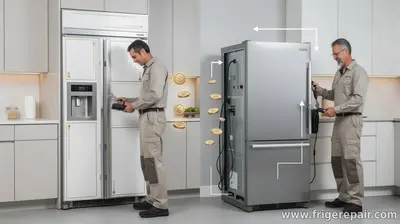
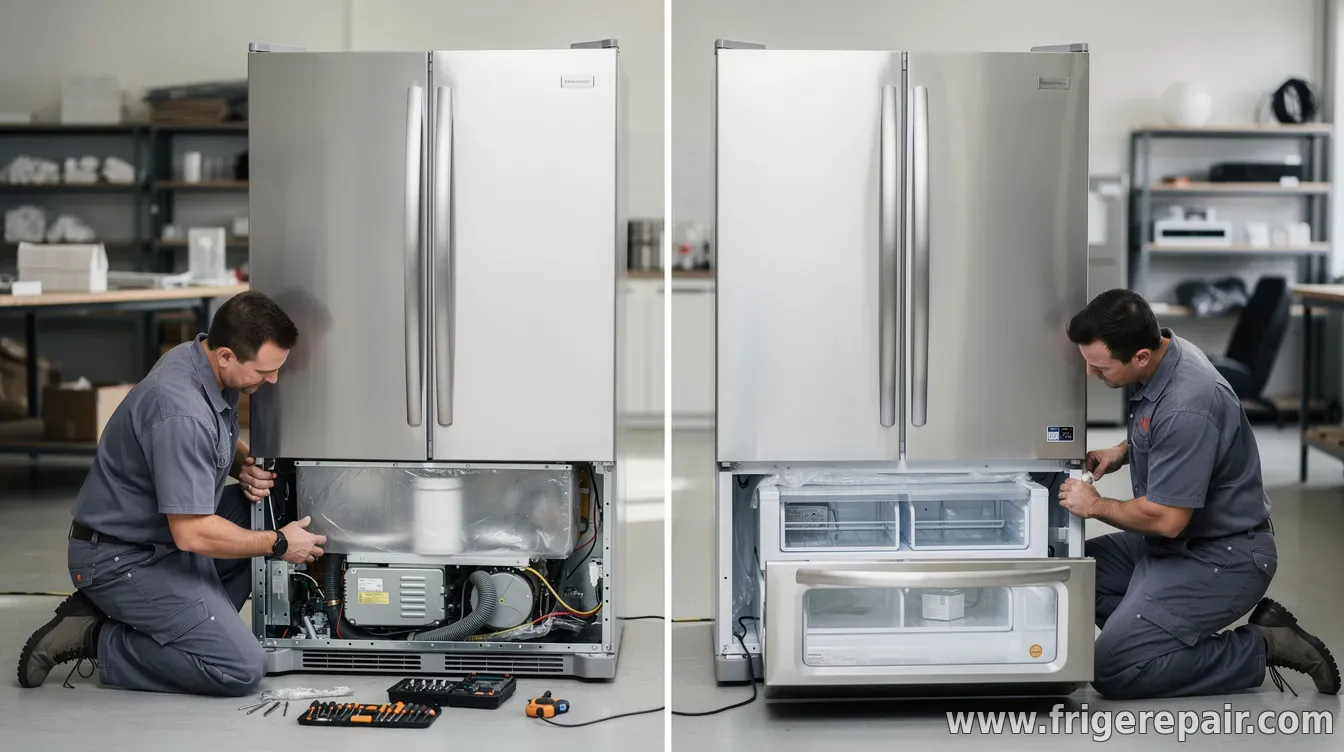 Modern refrigerators may look similar from the outside, but the way they’re built affects what breaks, how it breaks, and how hard it is to repair. While both side-by-side and French door models typically use similar core refrigeration technology, their layouts change access to parts such as the ice maker, water dispenser, evaporator and condenser systems, and the way fans and temperature sensors are positioned. Door design and access to key componentsIn side-by-side refrigerators, the freezer and fresh-food sections are usually stacked vertically within one cabinet, with controls and airflow spread across a single main body. That can make many repairs straightforward because techs can often reach critical internal parts from the interior without fully removing major sections. French door models split the fresh-food compartment into two doors over a freezer drawer. That design can improve access to the refrigerator side for some tasks, but it may also increase complexity when repairing components tied to the doors themselves—such as door-mounted hinges, door switches, and wiring harnesses that pass through the cabinet-to-door interface. Ice makers and water systems: common differencesBoth types frequently include automatic ice makers and, in many models, external or internal water dispensers. However, French door refrigerators more often feature an ice drawer system in the freezer area, while side-by-side models may place the ice maker in a different location within the fresh-food or freezer section depending on the design. Because the plumbing and wiring routes differ, a “no ice” or “slow ice” complaint may lead to different first checks. French door owners may be more likely to encounter issues related to the ice drawer assembly, shutoff valves, or sensors integrated into the freezer compartment. Side-by-side owners more often see faults tied to the dispenser area, door actuators, or the specific module that feeds the ice maker. Airflow and temperature control patternsTemperature problems—such as uneven cooling, frost in the wrong places, or recurring high-humidity conditions—often point to airflow disruptions, sensor faults, or evaporator/defrost system problems. Layout matters: the placement and number of fans, dampers, or vents can vary between designs, even when both models use multi-airflow cooling strategies. French door units may require more careful tracing of how air travels from the freezer area up to the fresh-food compartment and how dampers regulate that flow. Side-by-side units may present a different pattern of symptoms if a damper or fan in the internal ducting fails, sometimes showing first as temperature differences between the left and right sides of the cabinet. Repair time, parts availability, and serviceabilityIn practice, “repair difference” often comes down to serviceability and labor time. French door refrigerators can involve more door-related disassembly for certain faults, which may increase diagnostic time when the issue is intermittent and tied to door switches, door gaskets, or wiring. Side-by-side refrigerators may be simpler for some internal repairs, particularly those where technicians can access key systems without navigating through multiple door assemblies. Parts availability also matters. Both categories share many common items (compressors, fans, defrost heaters, temperature sensors), but the specific assemblies—like door switch kits, hinge components, or ice-drawer modules—can vary by brand and model. That can influence whether the repair is a quick component swap or a longer process involving ordering specialty subassemblies. What homeowners can do before calling for serviceBefore a service visit, homeowners can reduce guesswork. Start by noting what changed: a new noise, a sudden temperature shift, a stopped ice production pattern, or water dispenser issues. Check for obvious causes such as blocked vents, a tripped power circuit, an improperly set temperature mode, or a supply-line shutoff valve. For ice and water problems, verify whether ice is absent entirely or is “small/slow,” and whether the dispenser still runs water normally. Those details can help narrow the likely component—such as the ice maker module, water valve, filter, or sensor—whether the refrigerator is side-by-side or French door. Ultimately, both refrigerator styles can be repaired effectively, but the pathway to diagnosis often differs due to internal layout, door-related systems, and airflow design. If you’re deciding between models—or trying to understand repair quotes—ask a technician which components the symptom most likely points to and whether that component is known to fail more often in your specific refrigerator configuration. |
|
|
Next & Previous posts
Related articles: