10:11 AM Built-In vs. Freestanding Refrigerators: Repair Costs Explained |
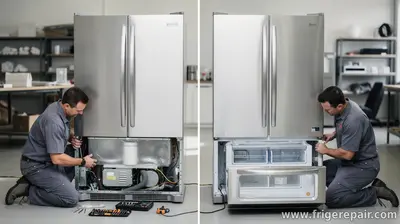
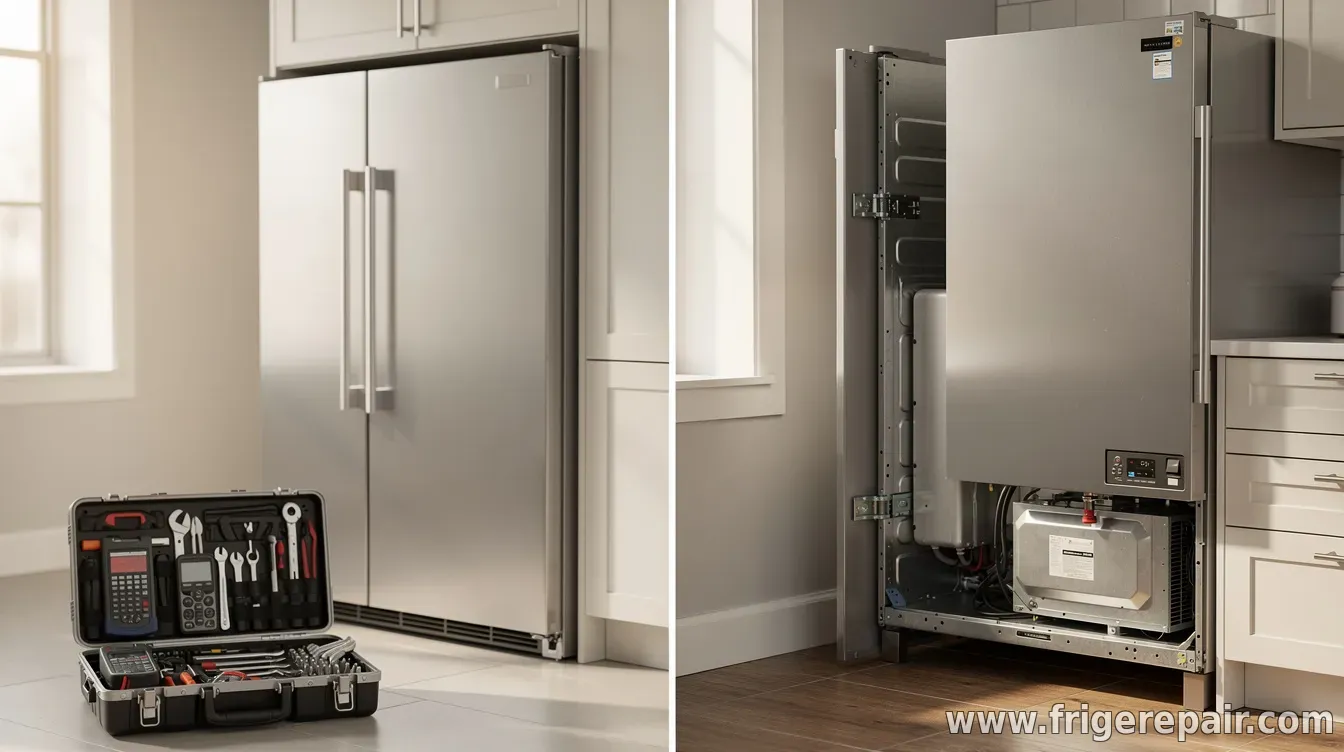 Homeowners often assume a refrigerator is a refrigerator—until it breaks. When comparing built-in versus freestanding refrigerators, the repair bill can diverge quickly due to differences in installation, access, and the specific parts required. 1) Installation design changes how techs access the problemFreestanding units are typically easier to pull away from the wall for diagnosis and service. Built-in models, by contrast, are installed into cabinetry or tight openings, meaning technicians may need to remove more panels, detach surrounding trim, or work in less space. Less access usually means more labor time—and higher labor charges. 2) Labor time depends on whether the unit must be partially disassembledMany common refrigerator repairs involve components tucked behind controls, drawers, or side panels. With freestanding refrigerators, those areas are often reachable with fewer steps. Built-in refrigerators may require removing adjacent cabinet sections or carefully navigating installation constraints, increasing the time required for both inspection and repair. 3) Parts availability and compatibility can raise or lower costsRepair pricing is strongly tied to parts. Freestanding models often use more standardized components across multiple brands and product lines, which can make replacement easier to source. Built-in refrigerators may be more likely to use specialized modules, custom finishes, or region-specific configurations, potentially affecting pricing and turnaround time. Even within the same brand, a built-in model may require different control boards, sensors, or door-related hardware than its freestanding counterpart. That specificity can make parts more expensive or less readily available. 4) Repair type matters: cooling systems vs. “surface” componentsNot all failures are equal. Issues like a faulty compressor, condenser fan, evaporator fan, or refrigerant-related problems can cost more because they may involve advanced diagnostics and more involved labor. Meanwhile, items such as door hinges, seals, water filters, or ice-maker components may be cheaper—especially if parts are common and accessible. In many real-world cases, the built-in vs. freestanding distinction mainly affects what’s required to reach the failing component, rather than changing the fundamental cost of the part itself. As a result, homeowners may see higher totals for built-in repairs when the failure occurs in areas that are difficult to access, such as internal ducts, control assemblies, or sections behind integrated panels. 5) Brand, age, and warranty status often outweigh the categoryWhile the built-in/freestanding difference can matter, other factors frequently have an equal or greater impact on price. The refrigerator’s brand and model, how old it is (and whether older parts are still supported), and whether it’s under warranty can significantly influence cost. For older units, availability of discontinued components can raise both parts cost and labor time due to longer sourcing. Similarly, the presence of features like dual evaporators, smart controls, or advanced ice systems can change the complexity of troubleshooting and repair—regardless of whether the unit is built-in or freestanding. Before scheduling service, homeowners can reduce surprises by confirming the model number, describing symptoms accurately (e.g., warm top vs. warm bottom, ice-maker issues, unusual noises), and asking whether the technician anticipates partial disassembly for access. In the end, the question isn’t only which type is “more expensive,” but which type will require more work to reach the failing part. Built-in refrigerators often demand more time to access components, which can translate into higher repair costs—especially for internal failures. |
|
|
Next & Previous posts
Related articles:
![]()