3:51 AM Refrigerator Not Cooling After Move: How Long to Wait |
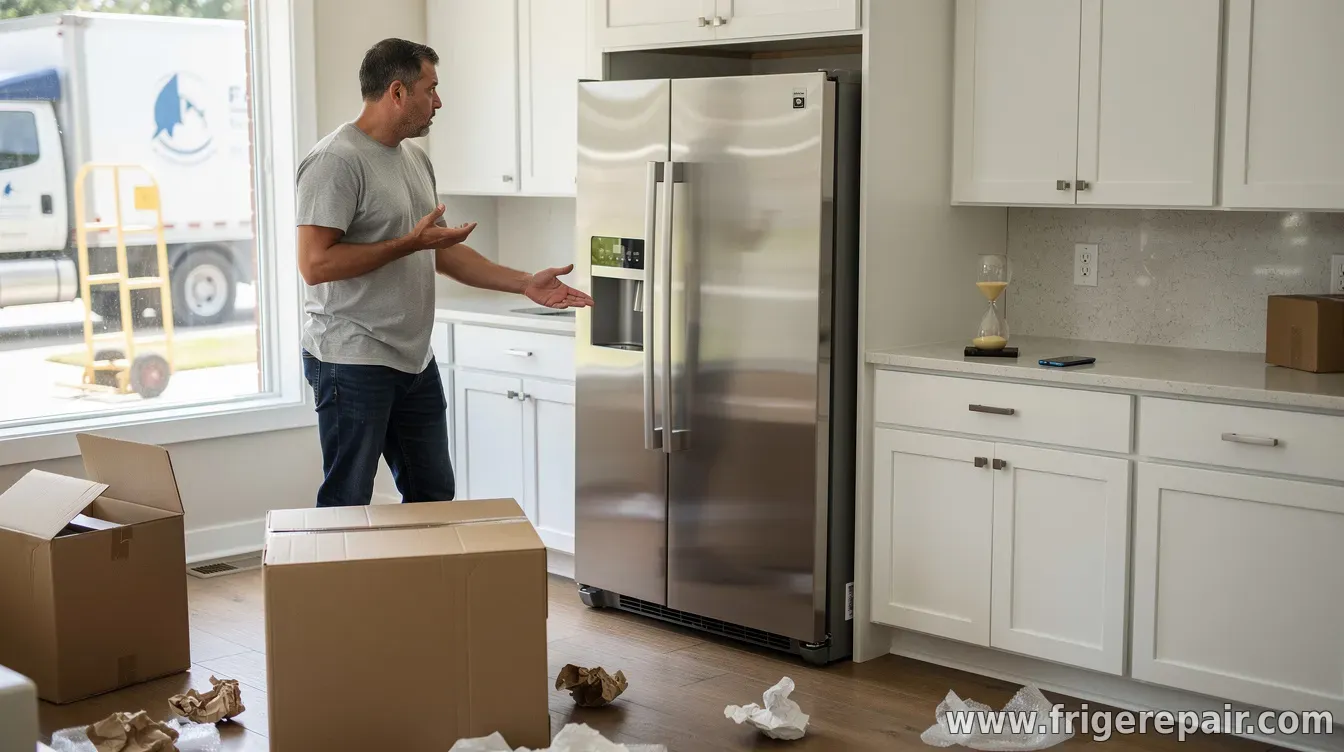 It’s common for a refrigerator to take a while to cool after moving or delivery, especially if it was tipped, moved long distances, or left unplugged. The key question is timing: how long should you wait before calling a tech? In most cases, you can safely troubleshoot for a short window while the unit stabilizes. As a rule of thumb, give the refrigerator 4–6 hours to show meaningful temperature drop. Many fridges won’t feel “cold” right away, but you should typically see interior temperatures start to fall within that first half-day. Plan for up to 24 hours for full cooling performance, particularly if the unit was warm when it was plugged back in or if the doors were opened frequently. Why cooling may be delayed after a moveSeveral normal factors can slow the initial cool-down. If the refrigerator was transported on its side or angled, the compressor and refrigerant can take time to settle. Some models also rely on sensors and defrost cycles to get back to their target temperature. If the fridge was left without power for a while, it may need additional time to re-establish cooling once powered on. What to check while you wait (first few hours)Before escalating, do a quick, low-risk check. Start with the basics—these are also the first things many technicians confirm:
After you verify these, close the doors and avoid frequent opening. Every time the door opens, warm air enters and cooling slows, extending the time before you see progress. How long to wait before calling a technicianUse this timing guide to decide when to call: Call sooner (within 1–6 hours) if you see clear trouble signals such as no power indicator at all, an active error code, or persistent unusual behavior (e.g., repeated clicking with no cooling, strong burning smell, or the appliance repeatedly tripping a breaker). Call after 24 hours if the refrigerator still hasn’t started cooling meaningfully. By a full day, most refrigerators that are functioning properly will show a noticeable temperature drop and stabilize toward the set point. Call sooner than 24 hours if you had signs of major disruption during delivery—such as the refrigerator being left on its side for an extended period, damaged power cords, or the unit arriving with physical dents that could affect components. When it could be more than “just settling”If the fridge never cools despite correct settings and working power, the issue may involve components such as the compressor, start relay/overload, control board, or airflow system. A move can also stress internal connections, damage wiring, or cause the unit to be out of level—sometimes interfering with proper operation and temperature regulation. It’s also worth noting that freezers often cool first, while some refrigerators take longer, especially if the freezer section is cold but the fresh-food compartment lags. If both sections remain warm after the waiting period, that’s a stronger indicator to escalate. What a technician may testWhile you don’t need to perform technical diagnostics yourself, understanding what’s likely to be checked can help you prepare. A service call typically involves confirming proper voltage, verifying the compressor and relay operation, inspecting fans and airflow paths, checking the defrost system, and reviewing any stored error codes. If you can, document what you’ve done: the time it was plugged back in, the temperature changes you observe (or lack of them), any error codes, and whether the fridge was tipped or left unplugged for a long time. This information can speed up troubleshooting. Bottom line: wait 4–6 hours to see cooling begin and aim for 24 hours for full stabilization. If the refrigerator still isn’t cooling by the 24-hour mark—or if you notice error codes or obvious abnormal behavior earlier—calling a qualified technician is the safest next step. |
|
|
Next & Previous posts
Related articles: