3:23 AM How to Tell If Your Refrigerator Compressor Is Failing |
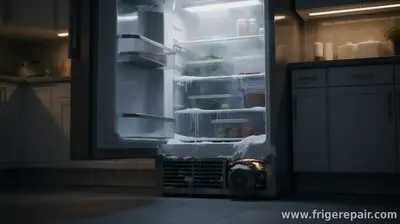
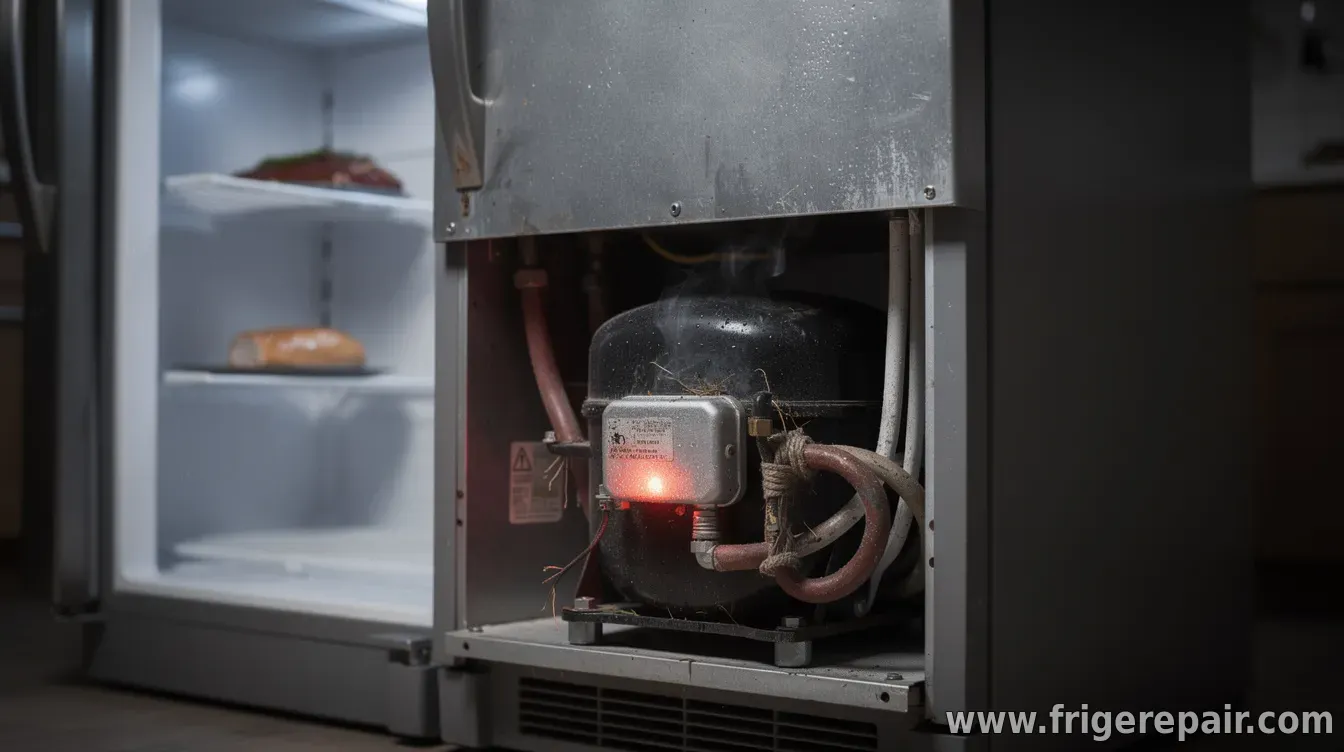 Most modern refrigerators rely on a compressor to circulate refrigerant and keep your food cold. When the compressor starts to fail, you may notice changes in cooling performance, operating sounds, and the way the unit cycles on and off. While some issues can be caused by other components, these signs can help you determine whether the compressor is likely at fault. 1) Cooling gets inconsistent or stops altogether If your refrigerator and freezer no longer maintain their temperatures—or they warm up gradually—check the thermostat settings and verify that the vents inside are not blocked. A compressor problem frequently leads to weak or absent cooling, especially when the fridge runs but temperatures do not recover. 2) Unusual noises from the back of the fridge Listen near the back panel or bottom area where the compressor typically runs. A healthy system may hum steadily. A compressor that’s failing can produce buzzing, clicking, rattling, or loud humming that changes over time. If the noise sounds strained or the compressor tries to start repeatedly, that can be a strong indicator of trouble. 3) The refrigerator cycles on and off more often Another common symptom is frequent “start-stop” behavior. If the compressor kicks on repeatedly but cooling doesn’t improve, the system may be struggling to move refrigerant efficiently. Excessive cycling can also point to related problems, so it’s worth observing how long the unit stays off and whether temperatures continue to drift upward. 4) Condenser area becomes unusually hot The condenser coils and compressor area can warm up during normal operation. However, persistent overheating—especially combined with poor cooling—can suggest the system is not transferring heat properly. Make sure the exterior ventilation is not blocked by dust, pet hair, or clutter, and consider cleaning accessible coils if your model allows it. 5) Signs of refrigerant or sealed-system issues In some cases, a failing compressor may coincide with sealed-system faults. If you notice oil-like residue around connections, a strong chemical odor, or visible frost patterns that don’t match typical defrost behavior, the problem may extend beyond simple wear. These clues can help narrow the diagnosis toward compressor or related refrigerant circulation issues. When to stop troubleshooting and call a technician Refrigerant systems are under pressure and involve electrical components. If you suspect a compressor failure—particularly if the unit won’t cool, makes repeated clicking without starting, or trips breakers—avoid continued attempts to run the refrigerator. A qualified appliance technician can test compressor start relay/overload components, check for proper current draw, and evaluate sealed-system performance. What you can do safely before scheduling service
By combining what you observe—cooling performance, operating sounds, cycling behavior, and heat patterns—you can make a more confident call about whether the compressor is likely failing. Even then, a precise diagnosis usually requires electrical and performance testing, so when in doubt, professional inspection can prevent unnecessary parts replacement. |
|
|
Next & Previous posts
Related articles: