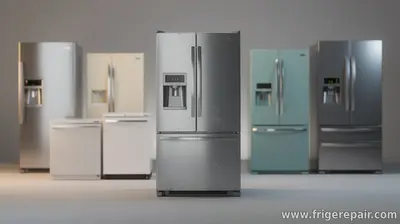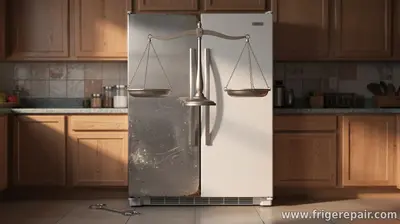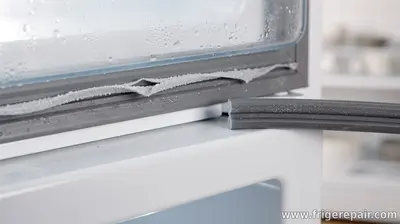
9:39 AM How Long Should a Refrigerator Last? Repair vs Replace |
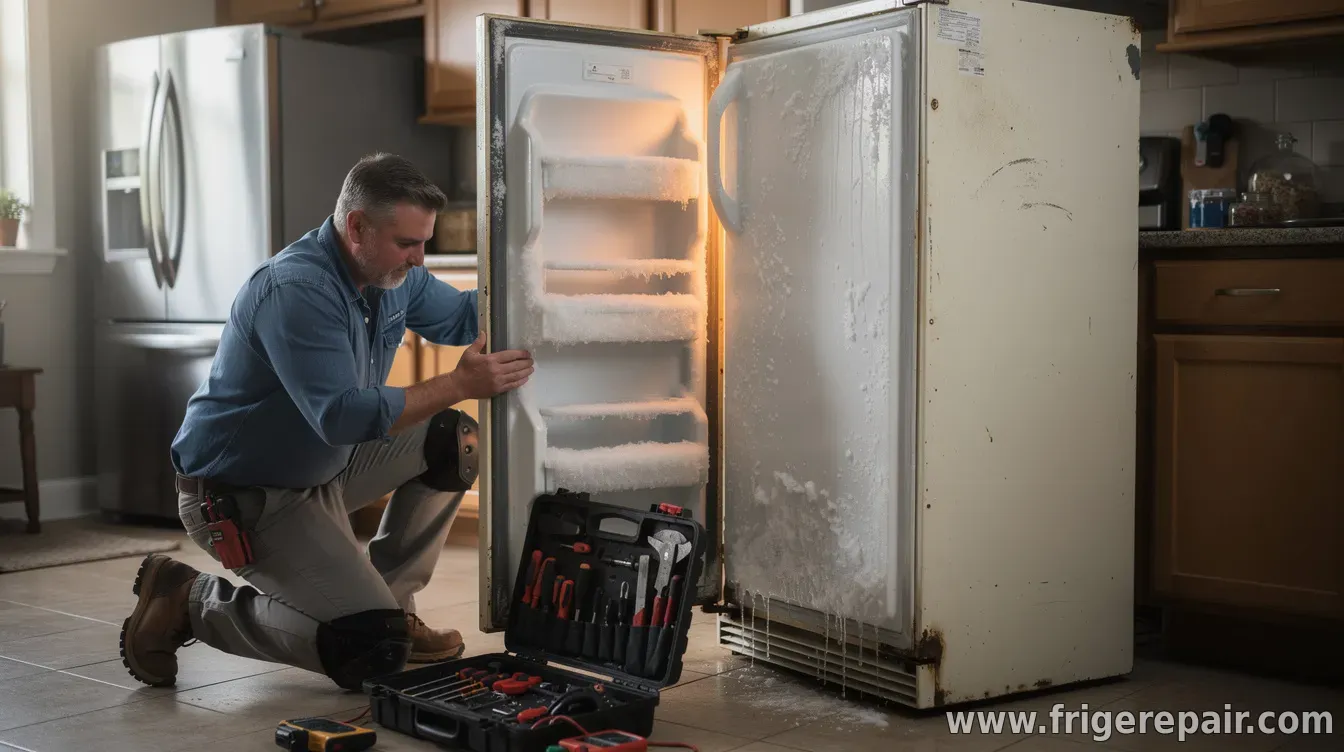 Refrigerators are built to run for years, but their performance can change long before they fully fail. For most households, a refrigerator typically lasts 10–20 years, depending on brand, maintenance, usage patterns, and how hard the unit works (for example, if the door is frequently opened or the kitchen stays warm). Instead of focusing only on the model’s age, it helps to look for specific symptoms. Some issues are straightforward to fix, while others often signal that replacement will be more cost-effective and reliable. Typical lifespan and what affects itThe “10–20 years” range reflects differences in technology and build quality. Units that receive routine maintenance—like keeping condenser coils clean and ensuring door seals fit properly—tend to last longer. Conversely, refrigerators that run under poor ventilation, face heavy daily use, or suffer from repeated power surges may wear out sooner. Signs it may be time to repairConsider repair when the refrigerator still holds temperature reasonably well and the problem appears limited to a particular component. Common repair-worthy issues include:
In these cases, a technician can often identify the failed part and restore stable cooling without replacing the entire unit. Signs it’s time to replaceReplacement becomes more likely when symptoms point to costly repairs, persistent performance problems, or safety and reliability concerns. Strong indicators include:
As a rule of thumb, if the estimated repair cost is close to—or exceeds the price of a comparable new refrigerator—replacement often makes more financial sense. Energy costs can be a clueEven if the refrigerator still works, older units may use significantly more electricity than newer models. If your energy bills have risen and the refrigerator seems to run longer than it used to, inefficiency could be the cause. For many households, upgrading improves performance and reduces ongoing operating costs, especially when the unit is near the upper end of its lifespan. What you can check before calling for serviceSimple checks can help confirm whether a repair is likely to solve the issue. Look for signs of poor airflow (such as blocked vents), verify the door closes firmly, and inspect the gasket for tears or gaps. You can also clean the condenser coils if accessible and safe to do so, since dust buildup can reduce efficiency and contribute to overheating or inconsistent cooling. If the refrigerator still can’t keep proper temperatures, involves repeated tripping, or shows clear mechanical symptoms, professional diagnosis is the safer next step. Making the repair-or-replace decisionWhen deciding, combine three factors: age, severity of performance issues, and repair cost. A younger refrigerator with a single failed part is usually worth repairing. A much older model with recurring problems, unstable temperatures, or compressor-related symptoms is more likely to benefit from replacement. Ultimately, the best choice is the one that keeps food safe, reduces risk of future breakdowns, and fits your budget. If you’re unsure, ask the service technician to explain what failed, estimate the total cost, and discuss whether the same issue is likely to return. If you’d like, share your refrigerator’s age, the symptoms you’re seeing, and any recent repair history, and we can map out whether repair or replacement sounds more likely. |
|
|
Next & Previous posts
Related articles: