8:22 AM Sub-Zero vs. Built-In Refrigerators: Key Service Considerations |
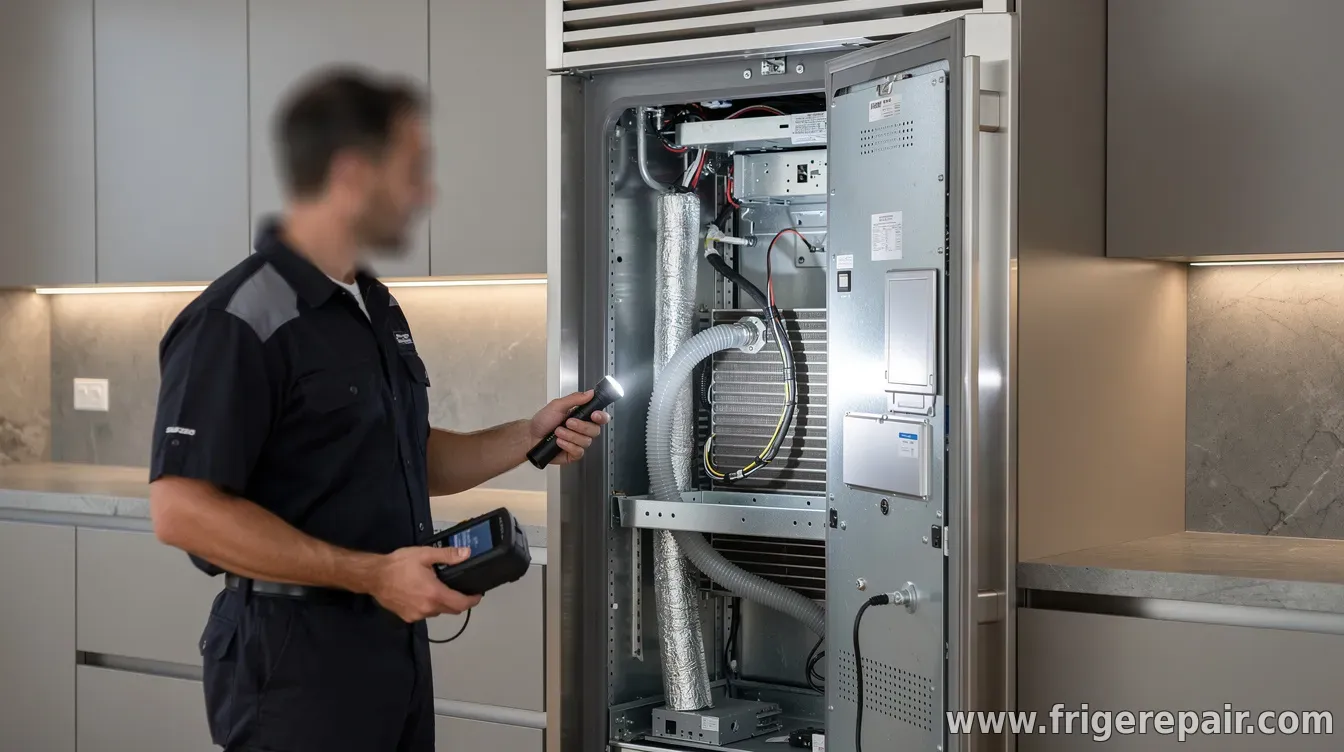 Built-in refrigeration systems deliver a seamless kitchen look while maintaining consistent temperatures, but that design can complicate service. Models marketed under the Sub-Zero brand and other built-in refrigerator lines typically rely on proprietary control systems, integrated installations, and premium components—factors that influence repair timing, labor, and parts availability. For homeowners and facility managers, the key to faster, more reliable repairs is to plan for how these refrigerators are installed and what service requires once a fault appears. 1) Installation details determine access and service timeUnlike freestanding units, built-in refrigerators are installed into cabinetry with tighter clearances. Service access may require removing panels, disconnecting custom trim, or working around flooring and cabinetry constraints. Before scheduling a visit, confirm the exact model, installation method (fully integrated vs. semi-integrated), and whether custom panels or doors were used, since these details can affect how quickly a technician can reach key components. In many cases, the installer (or building maintenance team that knows the original layout) can help provide measurements, photos, and notes on how the unit was fitted—reducing trial-and-error troubleshooting. 2) Diagnostics often rely on proprietary componentsSub-Zero and similar premium built-in refrigerators usually use manufacturer-specific electronics and sensor networks. When symptoms occur—such as temperature swings, ice buildup, unusual compressor cycling, or airflow irregularities—the service approach frequently starts with guided diagnostics rather than generic troubleshooting. Technicians may need manufacturer tooling or approved procedures to interpret control codes and verify sensor readings. For owners, the most useful step is to record what’s happening: the time the issue started, any error messages displayed, changes in household usage (door openings, holiday guests, restocking patterns), and whether the problem is constant or intermittent. 3) Parts sourcing and compatibility can affect repair timelinesPremium refrigeration systems may require OEM (original equipment manufacturer) parts for compressors, fans, thermistors, valves, control boards, and certain specialty components. Even when a part seems interchangeable, compatibility can vary by production year and configuration. This is especially relevant for integrated models where airflow paths, defrost logic, and control logic may differ across revisions. Because parts availability can vary, service providers often recommend confirming part numbers and expected lead times early—either before the technician orders components or immediately upon diagnosing the failed part. Planning ahead can shorten downtime and prevent repeat visits. 4) Warranty, service history, and authorization matterPremium brands may require authorized service to maintain warranty coverage. Service documentation—such as invoices, repair notes, and model/serial numbers—is valuable not only for warranty claims but also for diagnosing recurring faults. If a unit has been serviced previously, technicians can use that history to identify patterns (for example, repeated issues with a particular control component or recurring airflow restriction). When contacting service, have the model and serial number ready and ask whether the repair will be handled by an authorized technician. If you bought the refrigerator recently, confirm whether the warranty was transferable and whether registration was completed. In addition to major failures, routine service considerations can help prevent downtime. Keeping vents clear (including behind and below the unit), avoiding obstructed airflow from cabinetry or stored items, and monitoring for changes in temperature can reduce the likelihood of avoidable component wear. For owners considering service in the near term, the practical takeaway is simple: treat built-in refrigeration as a system. Installation constraints influence access; electronics influence diagnosis; OEM parts influence timelines; and warranty/service authorization influence what’s possible. With the right information and expectations, repairs can be faster, more accurate, and less disruptive.
|
|
|
Next & Previous posts
Related articles: