
2:48 AM Why Dishes Come Out Dirty: Common Causes |
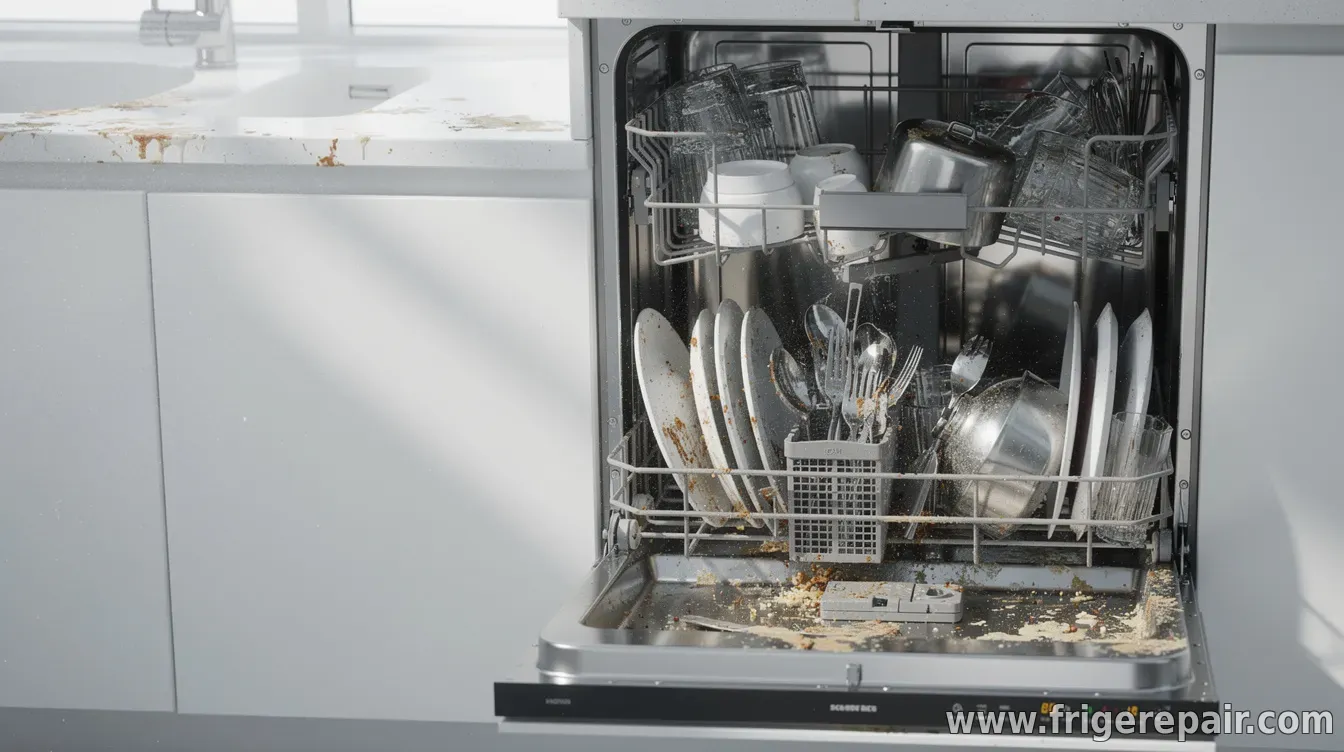 Dishes that come out dirty usually point to a few repeat offenders: how the dishwasher is loaded, whether the spray arms can move and rinse properly, and whether the right detergent and water temperature are being used. Even small changes—like switching detergent type or repositioning items—can make a noticeable difference. Below are the most common reasons dishes fail to get clean, along with practical ways to troubleshoot each one. 1) Overcrowded or poorly loaded racksOne of the most frequent causes of dirty dishes is overcrowding. When bowls, plates, and cookware block the spray arms or prevent water from reaching the soiled surfaces, food residue remains—especially on the back row and in corners. To improve cleaning, leave space between items, face dish surfaces toward the center, and avoid nesting pieces that trap water. Tall items should be positioned so they don’t block the top sprayer. 2) Clogged spray arms or blocked jetsIf the dishwasher’s spray arms are partially clogged, water pressure drops and rinse coverage suffers. This can leave grime on flatware and around dish edges. Check the spray arms for debris, and clean the nozzles if your model allows it. Also inspect the filter system—food particles can build up over time and reduce cleaning performance. 3) Hard water and mineral buildupHard water can cause spotting and dull-looking surfaces, and it may also leave a film that makes dishes feel “not clean.” Mineral deposits can build up on components and interfere with how detergent works. Running a rinse aid, using a detergent formulated for hard water, or periodically cleaning the dishwasher interior can help. If spotting is persistent, consider adjusting rinse-aid settings to match your water hardness. 4) Wrong detergent—or the wrong amountDirty results can come from using detergent that’s not compatible with your water conditions or using too little (or too much). Too little detergent may not break down grease, while using more than recommended can contribute to residue. Make sure you’re loading detergent into the correct dispenser section, and use fresh detergent (especially powders that can absorb moisture). If you’re using pods, confirm the dishwasher isn’t overfilling or pre-dosing with water in a way that affects the pod’s dissolution. 5) Water temperature too lowDishwashers rely on hot water to dissolve detergent and lift grease. If the incoming water is cool—often the case if the dishwasher is the first appliance run in a while—cleaning can suffer. Try running the hot water at the sink for a short time before starting the dishwasher, or ensure your dishwasher’s heating settings are enabled. For stubborn grease, warmer wash cycles typically perform better. 6) Food isn’t being prepared for the washModern dishwashers can handle many food types, but heavy debris—especially dried-on starches and oily residues—can overwhelm cleaning, particularly if racks are packed tightly. A quick scrape (rather than a full pre-rinse in most cases) can help. For items with dried or baked-on food, soaking or using a pre-wash cycle can improve results. 7) Rinse aid and drying settings are affecting “clean” perceptionSometimes dishes aren’t actually dirty—rather, they’re not drying properly or are left with streaks and residue that look like grime. Inconsistent drying can be influenced by rinse aid levels and drying-cycle settings. If your dishwasher is set to skip heated drying or if rinse aid is empty, streaking and spots are more likely. Refilling rinse aid and using the recommended drying option can reduce the appearance of residue. If you’ve tried the basics—reloading the dishwasher, cleaning the filter and spray arms, checking rinse aid and detergent, and confirming water temperature—and dishes are still coming out dirty, the issue may be a mechanical problem such as weak water circulation or a failing heating element. In that case, it’s worth checking your dishwasher’s service manual or contacting a qualified technician. |
|
|
Next & Previous posts