
9:12 AM Dishwasher Leaking From the Door: Common Causes & Fixes |
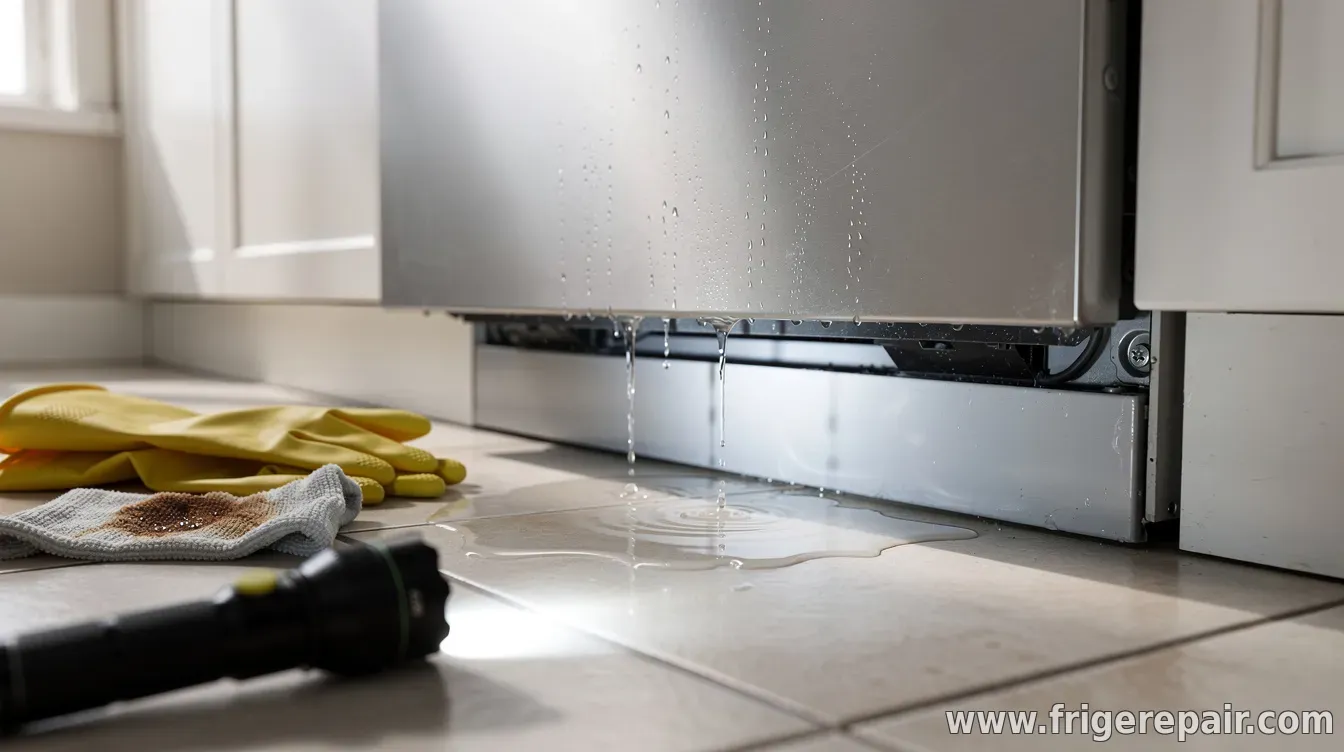 A dishwasher leaking from the door is a common (and fixable) problem that can lead to water pooling on the floor, damaged cabinets, or slips. Because door leaks typically involve water pressure, drainage, or the door’s sealing system, the cause is often more specific than “a leak somewhere.” Below are the most frequent reasons a dishwasher leaks from the door and what to do next, from quick, no-tools checks to parts that may need replacement. 1) Check the door gasket and seal conditionThe rubber gasket (door seal) along the tub rim is designed to keep water from escaping during wash and drain cycles. If it’s worn, cracked, deformed, or not seating evenly, water can escape at the bottom edge or corners of the door. What to do: Inspect the gasket for tears, gaps, or hard, flattened areas. Wipe the seal clean and make sure it sits properly in its channel. If the gasket is damaged, replacing it is often the most reliable long-term fix. 2) Loading issues that prevent proper door closureIf dishes, utensils, or tall items interfere with the door closing fully, the seal won’t compress correctly. Even a slight gap can let water stream out during spraying or when the unit is under pressure. What to do: Re-load the dishwasher so nothing blocks the door from latching. Make sure racks glide smoothly and don’t sag. Check the upper rack alignment and that the spray arms aren’t jammed by items. 3) Over-sudsing from detergent or rinse aidExcess suds can cause leaks by pushing water up and out of the tub, sometimes appearing to come from the door. This is especially common when using the wrong detergent type, using too much, or reusing pods when switching to another product. What to do: Use the detergent recommended by the manufacturer and follow the exact fill line. Avoid mixing different detergents or adding extra soap. If the unit is heavily sudsy, run a short rinse cycle after correcting the detergent amount/type. 4) Leveling and mounting problemsDishwashers must be level for the door seal to compress evenly and for water to drain to the sump correctly. A slightly tilted unit can change how water flows, increasing the chance of door-edge leakage. What to do: Place a level on the tub or rack track (if accessible) and verify the unit is installed per the manual. Adjust the leveling feet if the floor is uneven. If the dishwasher is newly installed and leaking, re-check leveling and the door’s latch alignment. 5) Drainage or sump issues that keep water risingIf water isn’t draining properly, the tub level can rise above where the door gasket is meant to handle it. The leak may intensify during or after the wash cycle, and it may be more noticeable when the unit begins draining. What to do: Clean the filter assembly (follow your model’s instructions) and remove any debris from the bottom area. Check for clogs in the drain line or food trap. If the drain pump or check valve is failing, you may need professional service. 6) Spray arm or water distribution problemsRestricted or misdirected spray can increase localized pressure and water splashing, which may show up at the door seam. Worn spray arm bearings, blocked jets, or a loose spray arm can contribute to abnormal spray patterns. What to do: Remove and inspect spray arms for clogs. Confirm they spin freely and are firmly attached. Clean jets with warm water and a soft brush, and replace any broken parts if needed. Quick troubleshooting checklist
If the leak is significant, occurs repeatedly after you’ve tried the basics, or you notice water near wiring or electrical components, stop using the dishwasher and consider contacting a qualified technician. Water intrusion can worsen over time, and door leaks can be a symptom of underlying drainage or installation faults. |
|
|
Next & Previous posts