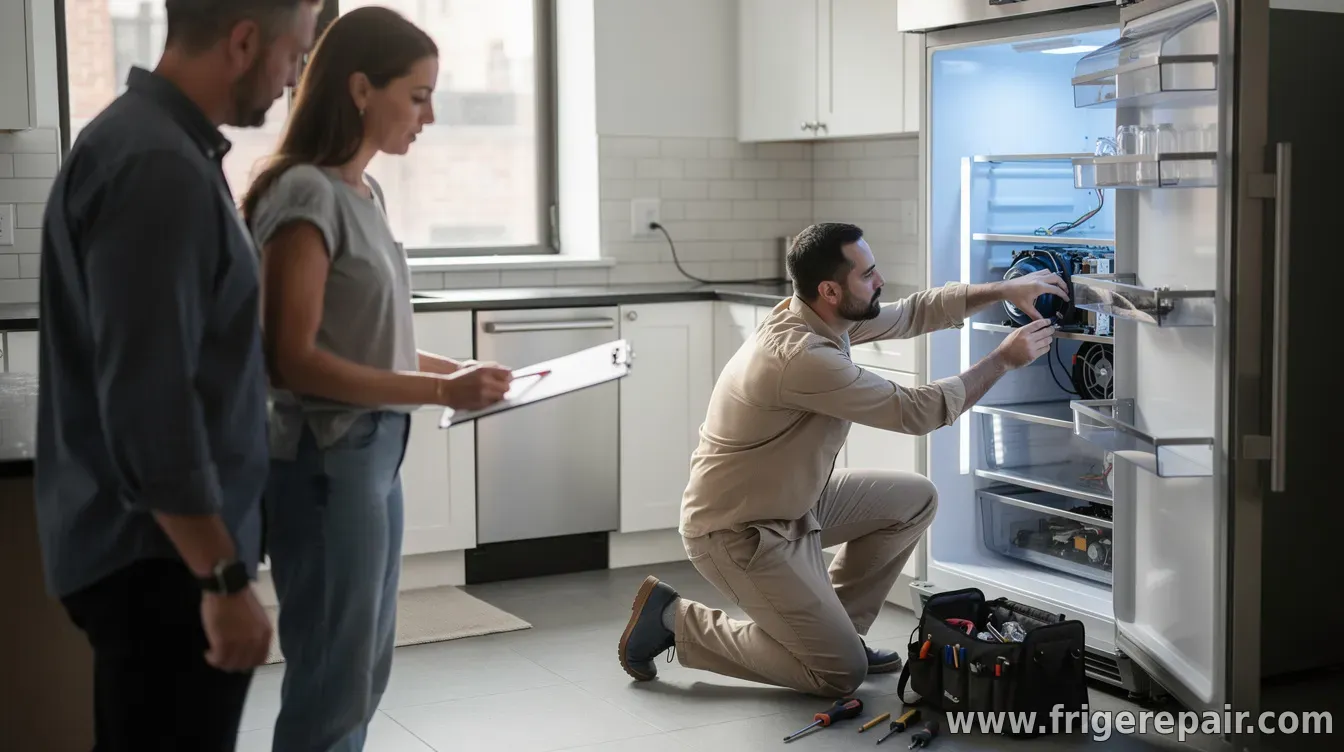
For landlords and property managers in Brooklyn, a malfunctioning refrigerator can quickly turn into a tenant complaint, damage to perishable items, and a scramble for short-notice maintenance. Unlike routine cosmetic work, fridge problems directly affect habitability—especially when cooling fails, temperatures swing, or unusual noise appears.
Professional refrigerator repair focused on multi-unit needs can help property managers restore performance quickly while also lowering the risk of repeat breakdowns. The most effective service typically starts with accurate troubleshooting and continues through the right fix, documented findings, and clear next steps.
Common refrigerator issues property managers face
In rental apartments, refrigerators often experience wear accelerated by frequent use, power fluctuations, and variable ambient conditions. Landlords commonly encounter:
Inconsistent temperatures or complete cooling failure
A well-maintained refrigerator uses less energy, cools more consistently, and helps avoid costly repairs. The good news: most upkeep is quick, and a few targeted checks each season can catch small problems before they become major.
Monthly refrigerator maintenance (quick checks)
Once a month, do a brief scan of how the refrigerator behaves and clean the areas most likely to affect performance. Start by verifying temperature and checking door seals for air leaks.
Monthly checklist:
Check temperatures: refrigerator at about 37°F (3°C), freezer at 0°F (-18°C).
Inspect door gaskets: look for cracks, warping, or gaps; wipe seals to remove debris.
Clean fridge interior spots: wipe spills, remove expired items, and sanitize shelves as needed.
Defrost/dry fast-catch: if you see small ice buildup, address the cause (often door seals or airflow).
When a refrigerator starts acting up—warm spots, strange noises, or a failing compressor—homeowners are often faced with a tough question: repair it or replace it? While there’s no single answer for every household, a commonly used framework can reduce guesswork: the “50% rule” paired with a practical age guide.
In general, the decision comes down to whether the likely repair cost is worth the remaining service life you can reasonably expect, and how efficiently the current model will perform compared with newer options.
What the “50% rule” means
The “50% rule” is straightforward: if the estimated cost of repairing your refrigerator is more than 50% of the cost of a comparable new unit, replacement is often the better financial choice. The goal is to avoid putting money into an appliance that may soon need additional repairs.
For example, if a similar refrigerator would cost $1,200
... Read more »
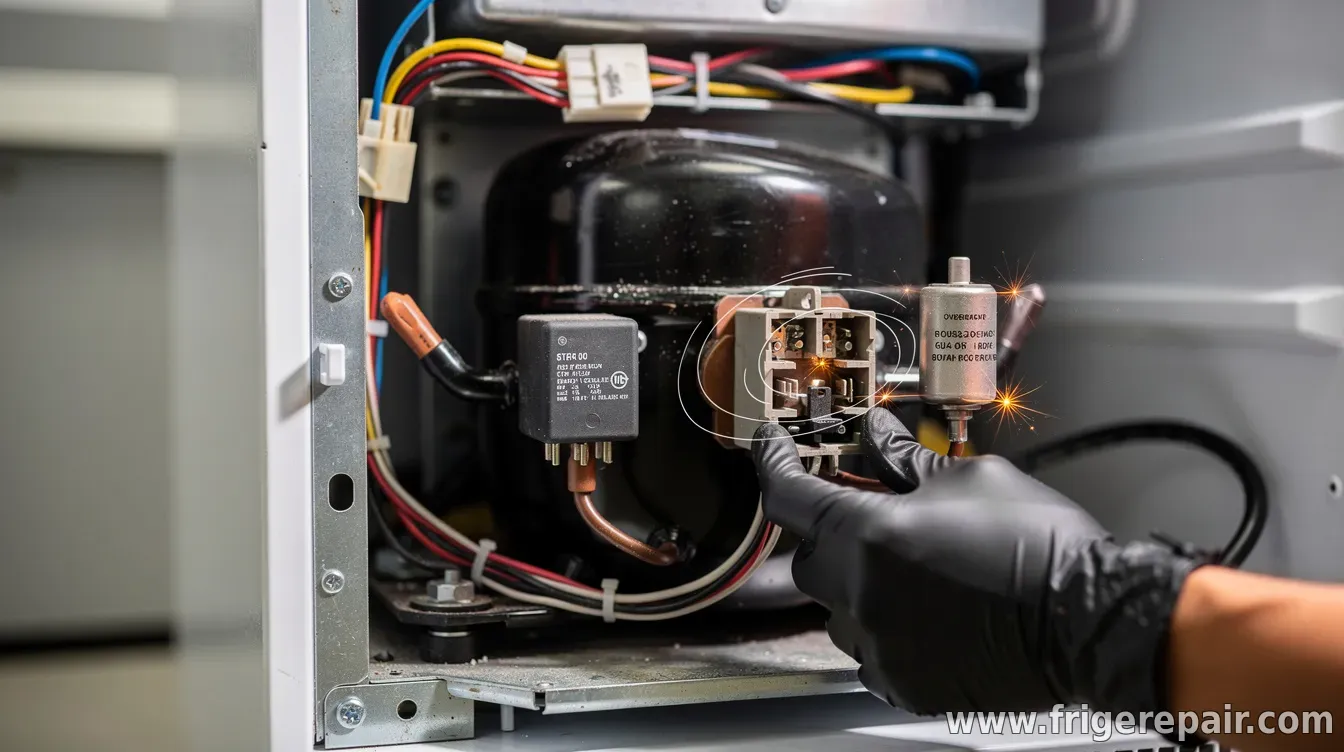
If your refrigerator has started making a clicking noise, it’s usually tied to how the cooling system starts and protects the compressor. Most refrigerators use an overload protector and a start relay (sometimes called a start device) to help the compressor begin running and to prevent it from overheating or drawing too much current.
These components can produce brief, periodic clicks—especially when the thermostat calls for cooling. Understanding the normal sequence can help you tell the difference between “typical cycling” and a problem that needs repair.
What the start relay does
The compressor needs extra electrical “start torque” when it turns on. The start relay provides that boost using a switching mechanism that typically engages for a short moment. When the relay switches from the start mode to the running mode, it can produce a noticeable click.