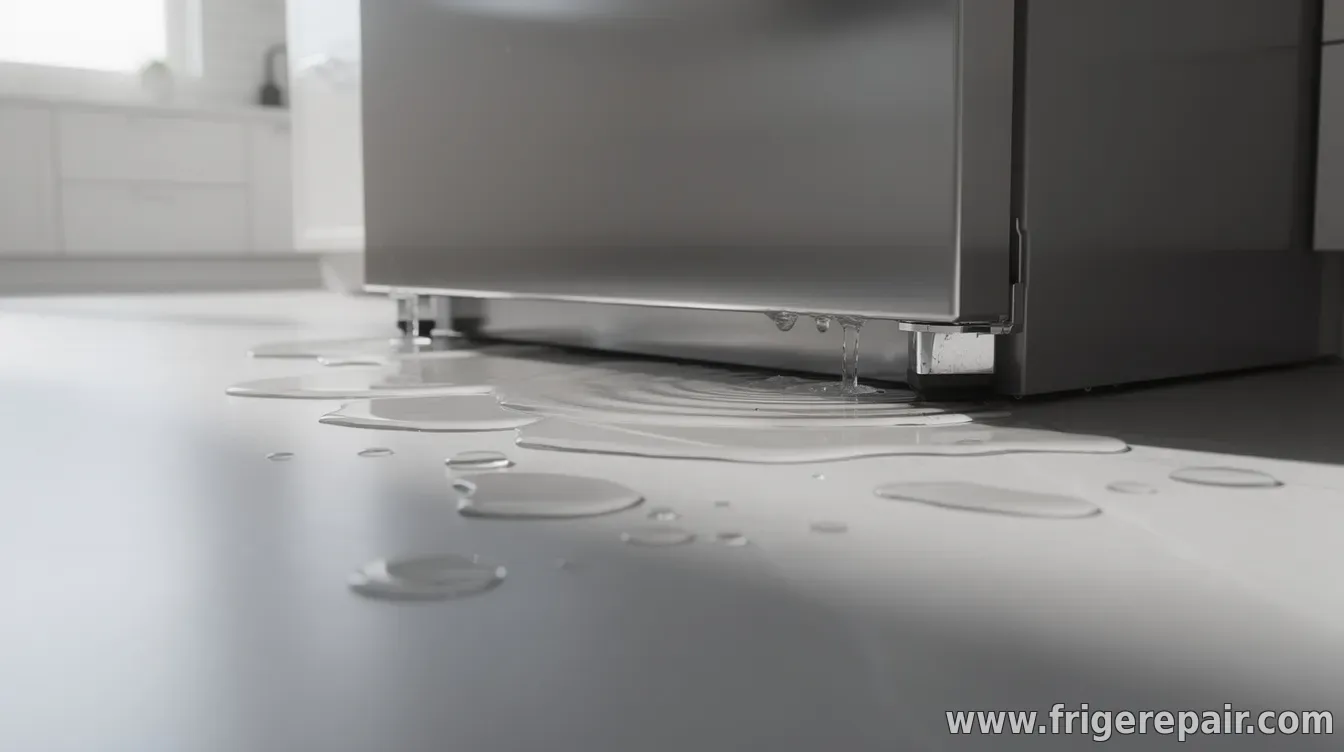
If you notice water leaking from underneath a refrigerator, the first goal is to stop further damage: protect your floor, reduce risk of electrical issues, and then identify the likely source. In many cases, the leak is tied to a drain system issue, especially in models with an automatic defrost cycle.
Immediate safety steps come first. Unplug the refrigerator if water is near outlets, power cords, or the floor is wet enough to pose risk. Place towels or a shallow tray under the front to catch drips, and check how much water is collecting and where it appears.
Common causes
1) Clogged or frozen defrost drain is one of the most frequent reasons for water under a fridge. During defrost, melted frost should flow through a drain channel into an evaporation tray. If the drain is blocked, water can overflow and leak out underneath.
2) Ice maker or water dispenser leak can also lead to pooling water. This
... Read more »
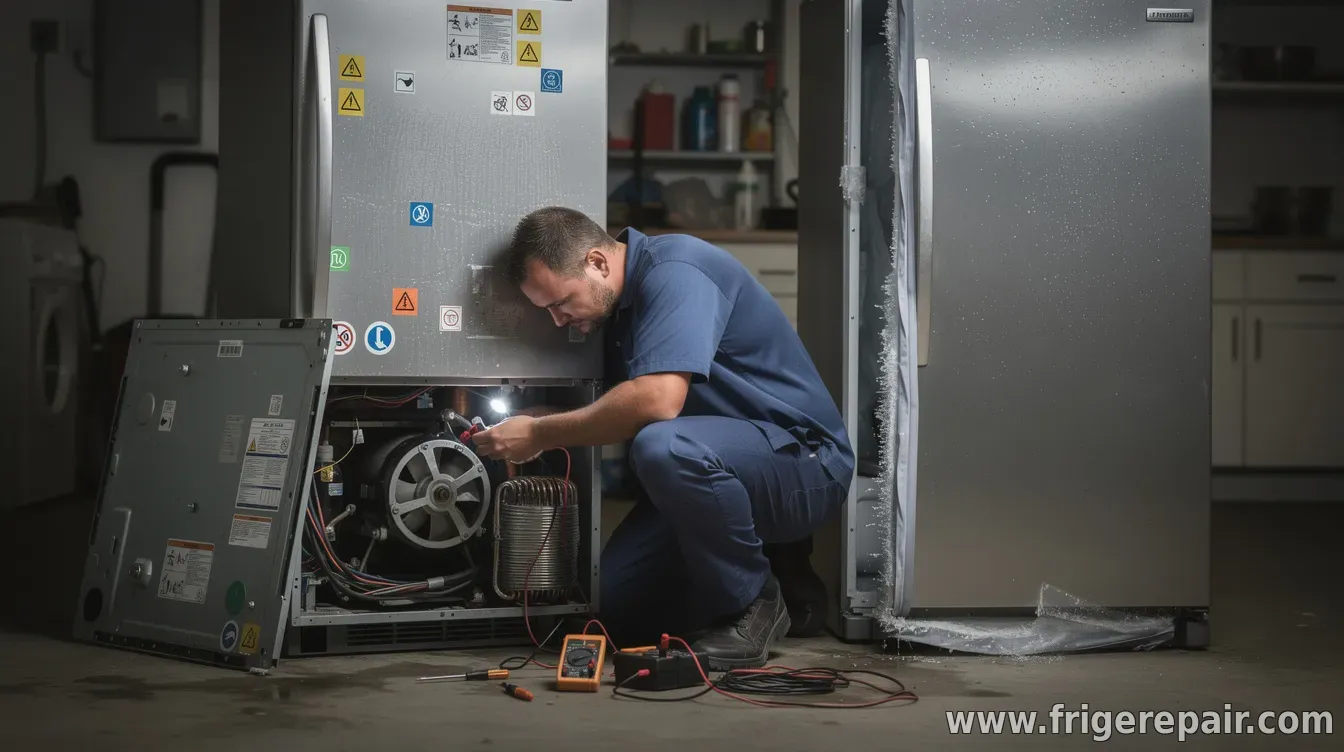
Whirlpool and GE refrigerators are built to last, but wear and environmental factors can trigger problems—from cooling failures to unusual noises. Knowing what to watch for can help you narrow down the cause, avoid unnecessary repairs, and decide when professional service is the safest and fastest option.
Many refrigerator problems fall into a few repeat categories: airflow and fan issues, temperature control problems, defrost system failures, and compressor/start components. While the brands share similar refrigeration principles, the exact parts and locations can vary by model year and configuration (top-freezer, bottom-freezer, side-by-side).
1) Cooling problems: check the “pattern” before you replace parts
If the refrigerator or freezer warms up, pay attention to whether both compartments are affected or only one. When the freezer is warm first, it can point toward defrost or airflow problems. When the refrigerator section struggles wh
... Read more »
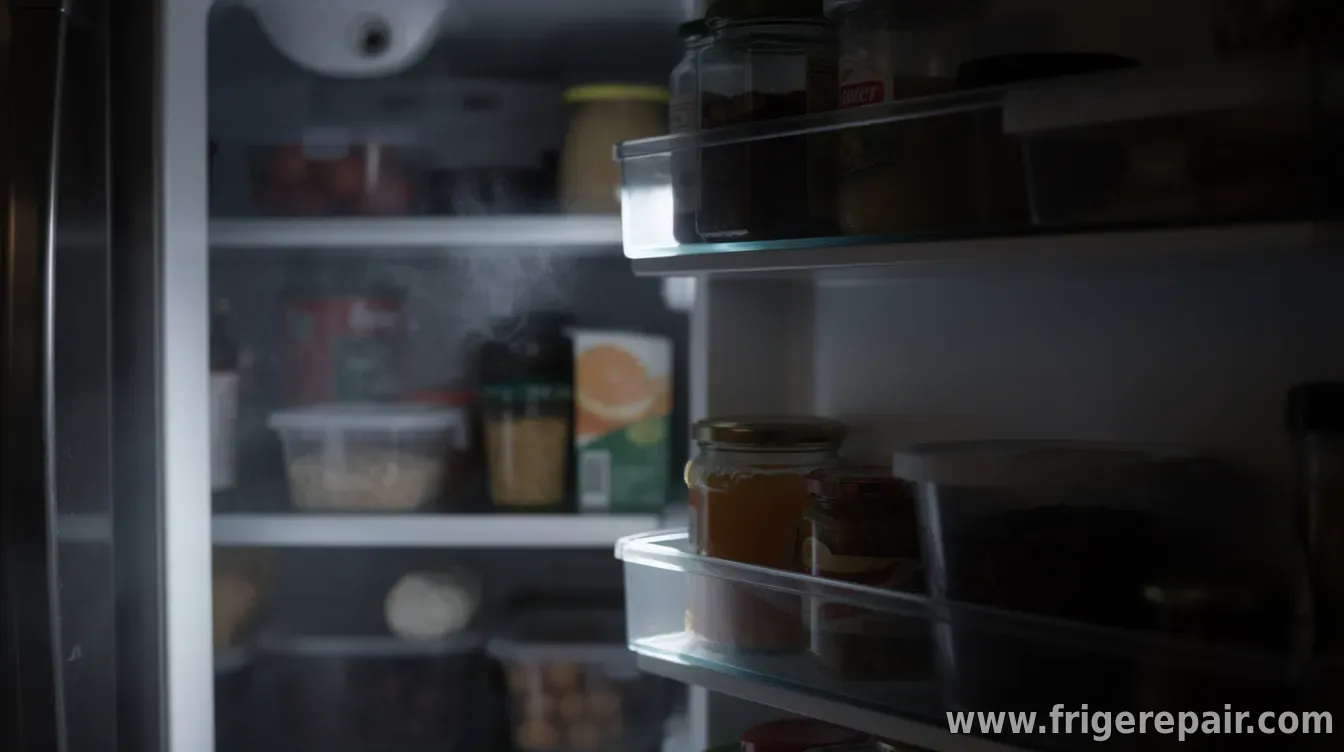
A non-working refrigerator interior light is usually a minor issue, but it can signal a problem with the door sensor or electrical components. Before troubleshooting, unplug the fridge (or switch off the circuit) if you plan to check wiring or the bulb.
1) The light bulb is burned out
The most common cause is simply a failed bulb. Many refrigerator lights use a specialized appliance bulb, so the replacement may need to match the original type and wattage.
What to check:
Confirm the bulb is firmly seated in the socket.
Look for visible cracks or darkened spots on the bulb.
Replace with the correct appliance bulb if needed.
2) A faulty door switch (door sensor)
Refrigerator lights typically turn on when the door is opened. If the door switch is stuck, misaligned, or worn out, the light may stay off even with the door open.
Refrigerator repair warranties are meant to reduce the cost of fixing appliance problems, but coverage varies widely by manufacturer, retailer, and the type of plan you purchased. Understanding what’s typically covered—and what often isn’t—can help you avoid surprise charges when your fridge stops cooling or makes unusual noises.
What many refrigerator repair warranties cover
Most legitimate warranty plans focus on repairing covered failures in the refrigerator’s key components. Coverage commonly includes replacement parts and labor needed to restore the appliance to proper working condition, especially when the issue is due to defects rather than wear and tear.
Depending on the warranty terms, service may also include a diagnostic fee or service call when you schedule work through an approved provider. Some warranties specify that parts may be covered for a se
... Read more »