10:09 AM What to Do With Your Refrigerator During a Power Outage | |
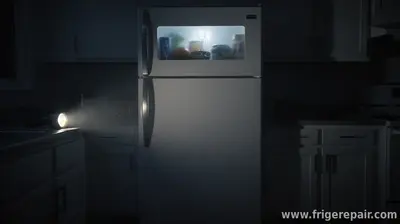
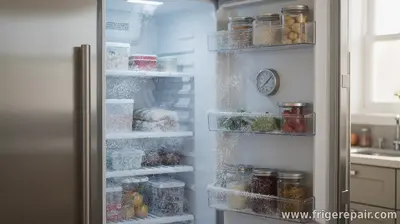
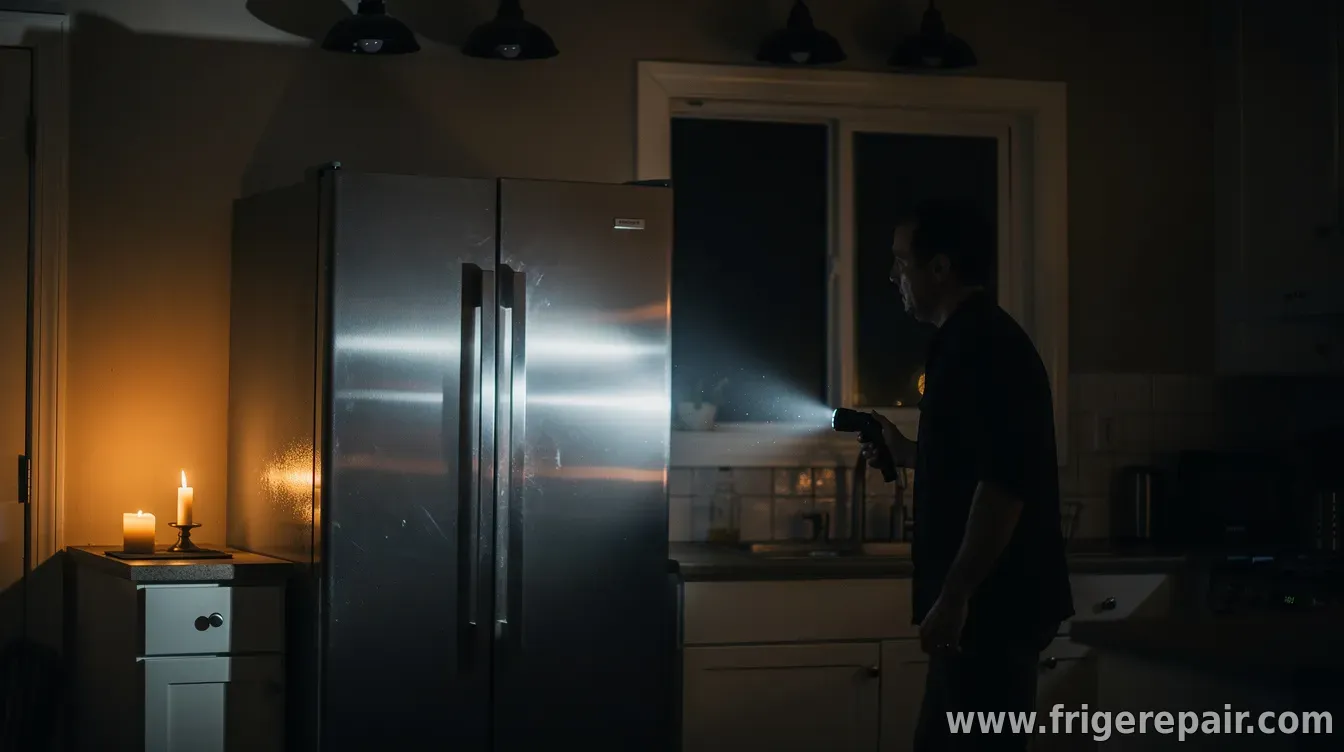 A power outage can turn your refrigerator into a short-term “holding space,” but the clock starts immediately once electricity stops. Food safety during an outage is mainly about temperature control: refrigerators are designed to run cold, and once power is lost, internal temperatures rise gradually—especially with frequent door openings. Start by keeping the refrigerator closed. The most effective action is to avoid opening the door. Each time the door is opened, cold air escapes and warm air enters, speeding up temperature rise. If you need something, take it all at once and close the door promptly. How long your fridge may keep food safeIn general guidance, a fully stocked refrigerator will stay cold longer than a half-empty one. If the fridge door remains closed, many sources estimate that it can keep a safe temperature for roughly 4 hours, while a fully loaded unit may hold longer. After that window, the risk increases, particularly for foods that are sensitive to temperature changes. Use a thermometer if you can. If you have an appliance thermometer, check the internal temperature during the outage. A refrigerator should generally be kept at or below 40°F (4°C). If the temperature rises above safe levels for an extended period, the safest option is often to discard perishable items. Plan for power restoration and food transferIf the outage looks like it could last, consider moving high-risk items to a cooler with ice packs. Items to prioritize include ready-to-eat foods, dairy, meat, poultry, and seafood. Use sealed containers when possible to reduce exposure and help maintain colder temperatures.
Be cautious with freezer-to-fridge transfers. If you have access to a functioning freezer or a separate cold source, freezing items can extend safety. However, once food thaws, refreezing is not always safe—especially for items that remain above safe temperatures for too long. When in doubt, follow established food-safety guidance for your specific item. Know what to discardFood safety rules vary by item, but the core principle is simple: if perishable foods have warmed beyond safe temperatures and the outage duration is uncertain, discard the items that are most risk-prone. Safer options may include foods that were kept at safe temperatures the entire time, sealed shelf-stable items, and foods that were not exposed to prolonged warming. After power returns, treat it like a fresh start. Let the refrigerator resume normal operation and, if you can, check the internal temperature again. For meals or ingredients that may have warmed significantly, it’s usually safer to throw them away rather than risk foodborne illness. During outages, the refrigerator is a temporary barrier—not a guarantee. By keeping doors closed, minimizing temperature exposure, and using coolers and ice packs when needed, households can reduce spoilage and protect against unsafe food. | |
|
| |
Next & Previous posts
Related articles: